
Professional Tax Services & Dispute Resolutions in Singapore: What Businesses Need to Know

Navigating Singapore’s tax system requires more than basic compliance, particularly as businesses grow, diversify revenue streams, or face regulatory scrutiny. While Singapore is widely recognised for its transparent and business-friendly tax framework, it is also highly structured, with strict reporting requirements and enforcement standards set by the Inland Revenue Authority of Singapore (IRAS). For companies […]
Driving Positive Change, Delivering Real Impact – CLA Global TS Sustainability Report

25 February 2026 – As a leading public accounting and business advisory firm, CLA Global TS recognises its moral responsibility to champion environmental, social, and governance (ESG) principles. Sustainability is integral to the firm’s strategy. CLA Global TS has identified material ESG matters, incorporated them into its planning, and continue to oversee their implementation and progress. With the […]
Simplified and Streamlined Approach (SSA) – Sleep Training For Transfer Pricing Babies?

Article by Belinda Lim, Associate Director, Transfer Pricing Tax Lead at CLA Global TS. The buzz words in the tax world these days appear to be Pillar Two as this hits us near with the impending registration deadline of 30 June 2026 under the Singapore’s Multinational Enterprise (Minimum Tax) Act for MNEs with financial year […]
Singapore Budget 2026 Commentary
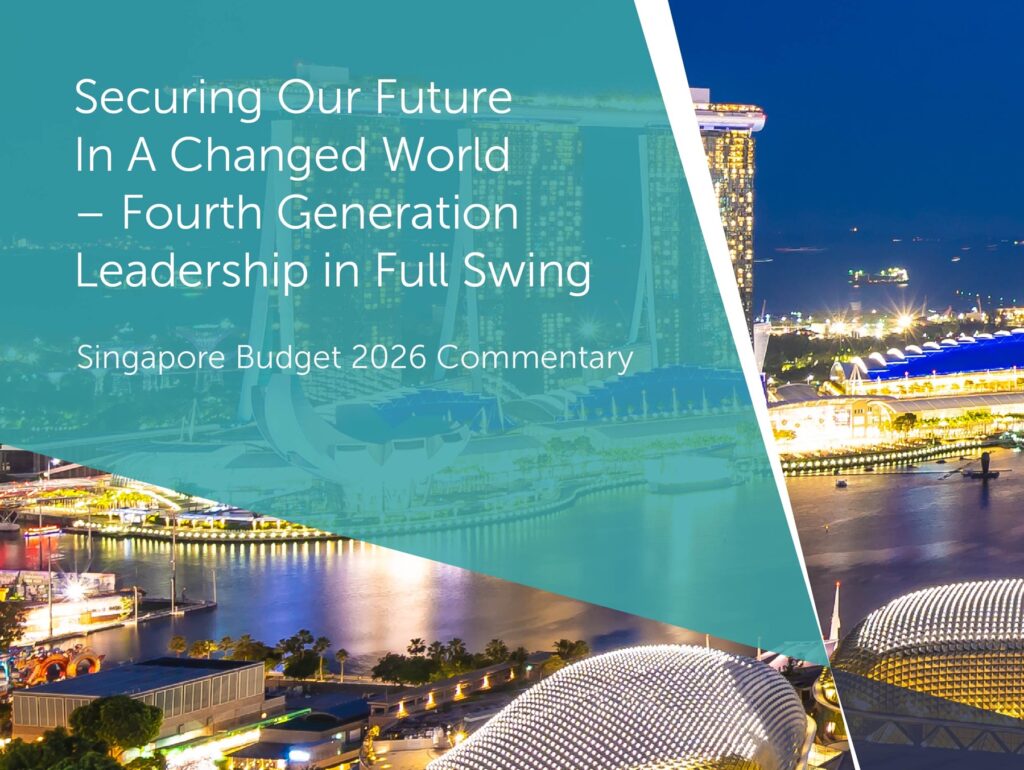
Singapore, 13 February 2026 – With Singapore’s fourth‑generation leadership now firmly at the helm, Budget 2026 marks a clear shift from broad‑based cushioning towards targeted support anchored in long‑term capacity building. As the first Budget of the new parliamentary term, it sets the tone for a more strategic integration of economic competitiveness and social resilience, rather […]
CLA Global TS Celebrates CLA Global Network’s Membership in the Forum of Firms, Strengthening its Commitment to Quality

Singapore, 9 February 2026 – CLA Global TS is pleased to share that its global network, CLA Global Limited (CLA Global), has become a member of the Forum of Firms, further strengthening its commitment to quality. The Forum of Firms is an independent association of international networks of firms that have transnational audit appointments or […]
Singapore Global Minimum Tax (Pillar Two): MTT and DTT Overview

An overview of Singapore’s Global Minimum Tax (Pillar Two), including MTT and DTT scope, timelines, and key considerations for multinational groups Global Minimum Tax (Pillar Two): Are You Likely to Be in Scope in Singapore? Singapore has implemented the Global Minimum Tax under Pillar Two through the Minimum Top-up Tax (MTT) and Domestic Top-up […]
Global Investment and Tax Strategies for China-Invested Enterprises – The Implementation of Singapore’s Pillar Two Top-Up Tax 中资客户全球投资与税务战略 – 新加坡支柱二补足税正式落地

新加坡支柱二补足税正式落地 – 跨国企业需要提前关注什么? 随着全球最低税改革持续推进,新加坡也正式迈出了关键一步。2025年12月31日,新加坡国内税务局 (IRAS) 公布了有关支柱二补足税注册要求的进一步说明,标志着新加坡在落实经合组织 (OECD) BEPS 2.0 第二支柱方面进入实施阶段。 根据最新发布的信息,新加坡将同步实施跨国企业补足税 (MTT) 及国内补足税(DTT),并要求符合条件的跨国企业集团完成注册及信息申报。这一举措不仅意味着制度层面的衔接已基本完成,也预示着合规义务即将从“政策讨论”转向“实际执行”。 1. 最低税制度正式从理念走向落地 在BEPS 2.0第二支柱框架下,全球最低税率被设定为15%,目的在于限制跨国企业通过利润转移或税收优惠安排,将整体有效税率压低至不合理水平。 新加坡此次引入的两项补足税正是该框架的核心组成部分: 通过这一机制,新加坡可以在符合国际规则的前提下,确保税收征管权不被其他司法管辖区“优先征收”,同时保持与全球最低税体系的协调一致。 2. 哪些企业将受到影响? 从注册条件来看,本轮制度主要面向大型跨国企业集团。 只要集团同时满足以下两个条件,便需履行注册义务: 这意味着,即便新加坡实体并非集团核心利润中心,只要其属于集团结构的 一部分,仍可能被纳入支柱二的合规范围。 3. 注册虽为一次性的程序,但其准备工作绝非一次性 根据IRAS的说明,注册流程预计将于2026年5月开放,并须在《跨国企业(最低税)法案》适用于最终母公司首个财政年度结束后的六个月内完成电子注册。 这些工作往往需要财务、税务、总部与各地子公司之间的高度协同,并非临近截止日即可妥善完成。 评论 “支柱二补足税的真正影响,并不只体现在“是否需要补税”,而在于其对现有结构和长期税务策略的重塑: 原本依赖税收优惠的结构是否仍具可持续性? 新加坡实体在集团中的功能与利润分配是否需要重新评估? 现有税务合规流程是否具备支柱二所需的数据维度? 对不少跨国企业而言,支柱二并不是单纯的税率上调,而是一场涉及财务、税务治理与集团架构透明度的系统性调整。 随着新加坡明确注册要求与实施时间表,支柱二最低税已不再是遥远的国际倡议,而是进入倒计时阶段的现实合规议题。 对于符合门槛的跨国企业集团而言,2025–2026年将是关键的过渡期。越早评估影响、梳理数据与内部流程,后续的合规成本与风险就越可控。 在全球税收规则持续趋同的大背景下,提前准备、理性应对,或将成为跨国企业应对支柱二时代的核心竞争力之一。” 周顺 中国客户税务主管 常见问题解答(Q&A) Q1. 有效税率ETR如何计算? Q2. GloBE Income包括什么? Q3. 很多国家和地区未开始实施支柱二政策,是否可以以新加坡公司(并非UPE)来作为申报主体完成GIR申报? […]
CLA Global TS recognised among Singapore’s Top 300 Employers in the 2025 Singapore Opportunity Index

[L to R] Mr. Edwin Leow, Co‑Advisory Leader and Head of Tax, Ms. Loh Hui Nee, Director of Assurance and People & Culture, and Ms. Ginny Then, Associate Director, People & Culture, represented CLA Global TS at the SOI Recognition Ceremony. Singapore, 23 January 2026 – CLA Global TS is proud to announce that […]
SFRS(I) 18 Presentation And Disclosure In Financial Statements – What You Need to Know (Part 2)

SFRS(I)18 Presentation And Disclosure In Financial Statements What You Need to Know (Part 2): The Financing Category whereby an entity does not provide financing to customers as a main business activity Foreword by Lim Ju May, Director, Assurance and Technical Accounting at CLA Global TS I wrote this series’ inaugural piece “What You Need […]
CLA Global TS Leads the Charge in Holiday Giving with Boys’ Brigade Share-A-Gift (BBSG) Project
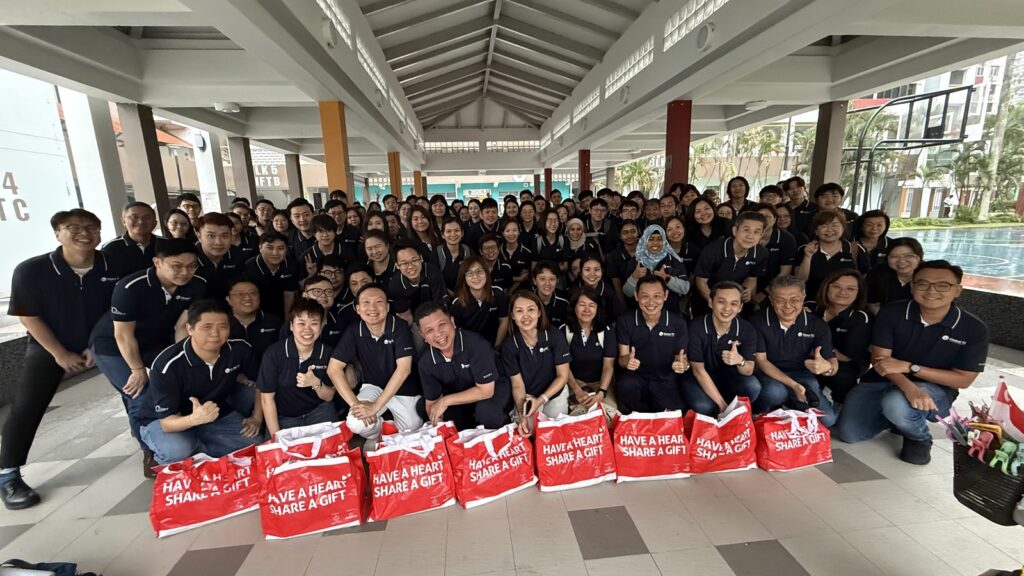
CLA Global TS gathers at 9 North Bridge Road to deliver hampers to the beneficiaries of the Boys’ Brigade Share-a-Gift Project. Singapore, 24 December 2025 – CLA Global TS wraps up the year by giving back to the community, distributing hampers to the beneficiary residents of the Boys’ Brigade Share-A-Gift (BBSG) Project at North […]