The Opportunity
Singapore has established itself as one of the world’s most attractive destinations for startup companies. Supported by a stable regulatory environment, world-class infrastructure, strong intellectual property protection, and a strategic location at the heart of Southeast Asia (SEA), Singapore continues to attract entrepreneurs, investors, and multinational corporations seeking innovation and growth.
Singapore continues to outperform many global startup ecosystems by providing good access to capital, talent, and government support with initiatives from Enterprise Singapore (EnterpriseSG), Economic Development Board (EDB).
Singapore’s position as a gateway to SEA and also the wider Asia-Pacific region further enhances its attractiveness. With SEA’s growing middle class and rapidly digitalising economies, startups based in Singapore have the opportunity to scale beyond a domestic market of six million people into a regional market of more than 650 million consumers.
Yet this opportunity also introduces complexity. Expansion into diverse markets requires careful planning around operating models, supply chains, talent strategies, regulatory compliance, and capital allocation.
The Reality for Startup Companies
In today’s evolving business landscape, besides focusing on securing funding and achieving product-market fit, startup companies are increasingly challenged to build resilient business models, scale sustainably across borders, leverage emerging technologies, and navigate a complex economic environment marked by geopolitical uncertainty, talent shortages, and heightened investor expectations.
For startup business leaders, success in this new era requires more than innovation – it requires strategic execution. Building a successful startup company requires much more than a great idea. In a more disciplined investment environment, founders are expected to demonstrate operational excellence, sustainable growth, and a clear path to profitability. Investors are prioritising companies with strong governance, reliable financial information, scalable operating models, and disciplined execution. The startups that succeed will be those that combine innovation with business fundamentals.
During the previous era of abundant venture funding, many startups may have focused on customer acquisition and rapid expansion. Today’s environment is different. Founders are being challenged to answer critical questions:
- Is the business model economically sustainable?
- Can operations be scaled without significantly increasing costs?
- Is the business prepared for institutional investors?
- Is there sufficient corporate governance expected by strategic investors, venture capital, private equity firms, or initial public offering (IPO) listing?
- Can the business expand internationally without losing operational control?
Addressing these questions needs more than just entrepreneurial passion and requires the following.
-
Build an Investor-Ready Financial Foundation
Investors expect timely, accurate, and transparent financial reporting. Startups should establish:
- Robust financial planning and analysis
- Strong governance, reporting and controls
- Cashflow forecasting
- Unit economics by product or customer segment
- Scenario planning
- KPI dashboards for Management and investors
Financial discipline enables founders to make better strategic decisions while increasing investor confidence.
-
Scale Operations Before Scaling Revenue
Many startups experience operational strain as they grow. Common challenges include:
- Manual processes
- Poor data visibility
- Unclear organisational structures
- Weak internal controls
- Technology systems that cannot support growth
Investing in scalable operating processes early allows companies to grow efficiently while maintaining service quality and profitability.
-
Harness AI as a Strategic Advantage
AI is no longer optional. Leading startups are using AI to:
- Improve customer experience
- Automate back-office functions
- Enhance decision-making
- Optimise pricing
- Increase employee productivity
- Reduce operating costs
Successful AI adoption requires a clear business strategy rather than implementing technology for its own sake.
-
Expand Regionally with Discipline
Singapore provides a launchpad into SEA. However, regional expansion introduces challenges such as:
- Regulatory complexity
- Tax considerations
- Local partnerships
- Talent acquisition
- Supply chain management
- Cross-border governance
Companies that prepare for regional expansion systematically are better positioned for long-term success.
-
Establish Corporate Governance Early
Corporate governance should not begin just before a fundraising round. Founders who implement governance practices early benefit from:
- Faster capital and fundraising
- Better risk management
- Improved strategic decision-making
- Stronger board effectiveness
- Greater organisational accountability
Good corporate governance becomes a competitive advantage as businesses mature.
The Shift from Growth at All Costs to Sustainable Scale
The startup ecosystem has witnessed a significant transition over the past few years. Investors are increasingly prioritising sustainable growth, profitability, and operational efficiency over aggressive expansion strategies.
This shift has prompted startup company founders to ask strategic questions:
- Is the business model scalable and resilient?
- Are resources allocated effectively?
- How can operational efficiency be improved without compromising innovation?
- What capabilities are required for regional expansion?
- How to prepare for future investment rounds, mergers, acquisitions, an eventual exit, initial public offering (IPO) listing?
Answering these questions requires robust strategic planning, data-driven decision-making, and disciplined execution.
Many startups that successfully raise capital still struggle during the scaling phase because operational processes, governance structures, and organisational capabilities fail to keep pace with growth. Many startup company founders need help to transform ambitious visions into sustainable enterprises.
AI and Digital Transformation: Opportunity and Imperative
AI has emerged as one of the most significant growth drivers for startups globally. Startups are leveraging AI to enhance customer experiences, automate processes, optimise operations, and create entirely new business models.
However, technology investment alone does not guarantee success. Organisations must align digital initiatives with business objectives, ensure data governance frameworks are in place, and develop workforce capabilities to fully realise value from technology investments.
Startups that integrate AI strategically across functions, including sales, marketing, customer service, finance, and operations, are more likely to achieve measurable business outcomes and establish lasting competitive advantages.
The challenge for many founders lies in balancing innovation with operational discipline. This is where structured transformation programs become critical.
Talent and Leadership: The Next Growth Constraint
While access to capital remains important, talent has emerged as one of the most significant constraints to startup growth.
As organisations scale, founders often transition from entrepreneurs to enterprise leaders. This shift requires new capabilities in leadership, governance, organisational development, and performance management.
Companies that invest early in:
- Leadership development
- Organisational design
- Workforce planning
- Performance management systems
- Corporate governance frameworks
are typically better positioned to navigate rapid growth and attract institutional investors.
A strong leadership team not only drives execution but also builds confidence among stakeholders, including investors, customers, employees, and strategic partners.
Regional Expansion Requires Strategic Precision
Regional expansion is often viewed as the natural next step for Singapore startups. However, expansion without a clear strategy can dilute resources and create operational complexity. Successful market entry requires a comprehensive understanding of:
- Market attractiveness
- Competitive dynamics
- Regulatory requirements
- Partnership ecosystems
- Customer acquisition economics
- Risk management considerations
Rather than adopting a one-size-fits-all approach, startups should develop market-specific strategies supported by robust scenario planning and financial modeling. Companies that approach expansion strategically are more likely to achieve sustainable regional growth while minimising execution risks.
The IPO Journey
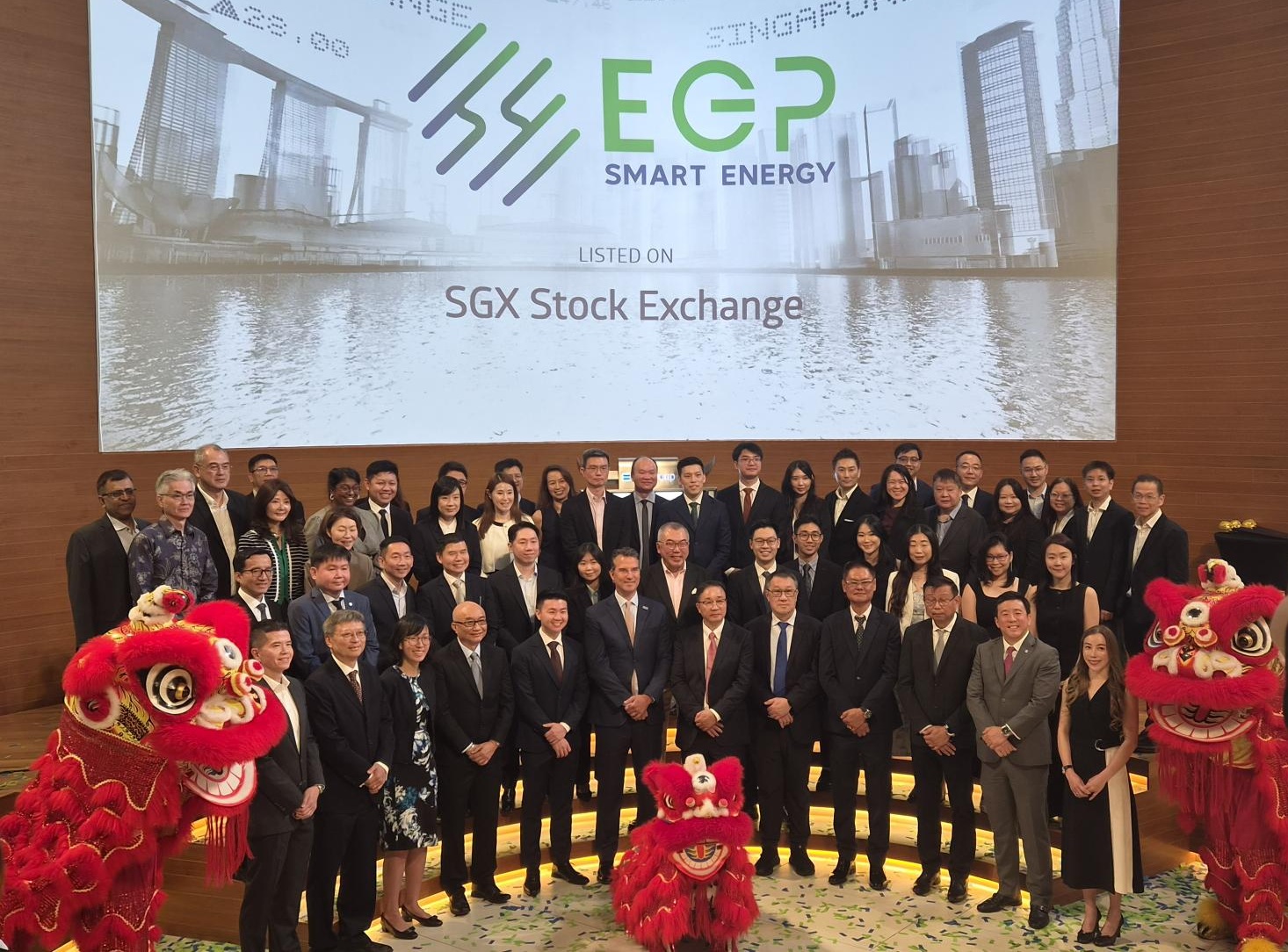
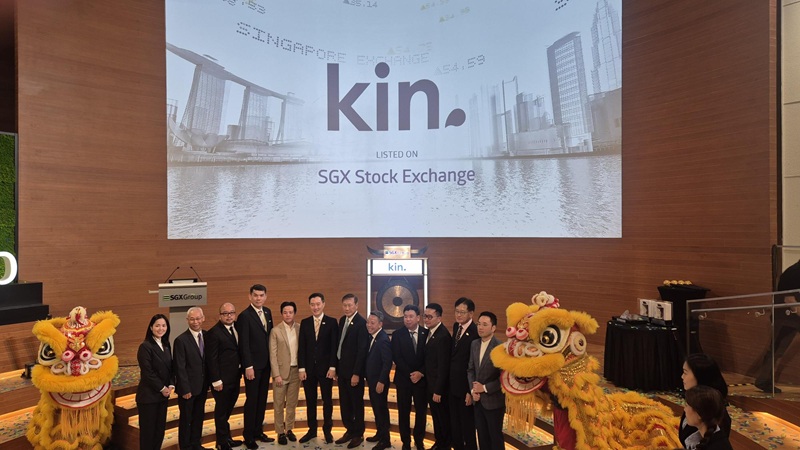
For startup companies which are looking to list on the stock exchange, the IPO journey today is far more complex than simply meeting listing requirements. Investors increasingly scrutinise corporate governance, financial resilience, operational scalability, sustainability credentials, risk management practices, and long-term value creation strategies. For startup leaders, preparing for a successful public listing must begin years before the IPO itself, to build a public-market-ready organisation.
As Singapore’s capital markets continue to evolve, the Singapore Exchange (SGX) offers companies a credible platform to raise growth capital while enhancing their visibility, governance standards, and international reputation.
For many founders, an IPO provides:
- Access to larger and more diversified capital pools
- Increased brand recognition and market credibility
- Liquidity opportunities for early investors and employees
- Enhanced ability to pursue mergers, acquisitions, and expansion
- Stronger institutional governance frameworks
Yet achieving these benefits requires much more than financial performance alone.
Historically, many startups viewed IPO preparation primarily as a legal and financial compliance exercise. Today’s public market environment demands greater organisational maturity. Investors are evaluating whether a company can consistently deliver growth while managing risk in an increasingly uncertain world. Successful IPO candidates typically demonstrate:
-
Sustainable Business Models
Investors seek visibility on long-term profitability and resilience. Companies must show how they create value beyond short-term growth metrics. Key questions include:
- Is revenue diversified and recurring?
- Are customer acquisition costs sustainable?
- Is the business scalable across markets?
- What competitive advantages protect future earnings?
Startups that can clearly articulate their path toward sustainable value creation often command stronger investor confidence.
-
Financial Readiness
Financial reporting requirements become significantly more rigorous after listing. Companies frequently encounter challenges such as:
- Inconsistent or weak internal controls and financial reporting
- Limited forecasting and budgeting capabilities
- Complex accounting matters, including revenue recognition and business combinations
- Inadequate financial reporting frameworks
Establishing robust finance functions early helps minimise IPO delays and improves market credibility.
-
Corporate Governance and Leadership Maturity
A founder-led startup and a publicly listed company require different operating models. Investors increasingly expect:
- Independent Board oversight
- Effective risk management structures
- Clear accountability mechanisms
- Succession planning
- Strong internal controls
Companies that transition governance structures proactively are better positioned to meet institutional investor expectations,
Challenges
While Singapore offers a supportive business environment, startups often encounter several obstacles on the path to IPO listing.
Scaling Operations While Maintaining Agility
Rapid growth can strain processes, systems, and organisational structures. Many startups must balance entrepreneurial agility with the discipline required of a public company. Operational inefficiencies that may be manageable during early growth stages can become significant concerns during IPO due diligence.
Talent and Leadership Development
As businesses expand, leadership teams must evolve. Founders frequently need to supplement entrepreneurial capabilities with expertise in:
- Public company governance
- Investor relations
- Strategic planning
- Enterprise risk management
- Regulatory compliance
Building leadership depth is often a critical success factor.
Technology and Data Governance
Digital transformation brings both opportunity and risk.
Investors increasingly examine:
- Cybersecurity readiness
- Data privacy compliance
- Technology resilience
- Digital scalability
Companies unable to demonstrate strong technology governance may face valuation pressure or increased scrutiny.
Sustainability Expectations
Environmental, social, and governance (ESG) considerations have become integral to investment decision-making. Public market investors increasingly expect companies to demonstrate:
- Sustainability strategies
- Climate-related risk assessments
- Social responsibility initiatives
- Corporate governance transparency
ESG readiness is rapidly becoming a mainstream IPO consideration rather than a secondary requirement.
Many startup company founders recognise these challenges but lack the internal resources or experience to address them comprehensively. To this point, CLA Global TS can help companies with the following:
- Develop growth strategies
- Improve operational efficiency
- Design scalable business processes
- Implement performance management frameworks
- Support regional expansion
- Optimise organisational design
- Execute digital transformation
- Strengthen corporate governance and enterprise risk management
- Prepare for IPO, fundraising and due diligence
The Importance of Early IPO Preparation
A common misconception is that IPO planning begins six to twelve months before listing. In reality, the strongest IPO candidates often begin preparing two to three years in advance. Early preparation enables companies to:
- Strengthen financial reporting frameworks
- Improve operational efficiency
- Establish governance structures
- Enhance risk management capabilities
- Develop robust growth strategies
- Address valuation gaps proactively
Organisations that delay preparation often face compressed timelines, increased costs, and heightened execution risks.
The Modern IPO Journey is More Than a Capital Raising Exercise
The IPO journey is fundamentally a business transformation journey.
Auditors, management consultants, banks and lawyers all play essential roles during the transaction process, to build the organisational capabilities required to operate as a successful listed company.
CLA Global TS supports growth-stage companies through a holistic IPO readiness approach that focuses on long-term value creation rather than compliance alone.
Strategy and Growth Alignment
We can help leadership teams evaluate:
- Growth opportunities
- Market expansion strategies
- Business model sustainability
- Competitive positioning
- Enterprise value drivers
This ensures companies enter public markets with a compelling investment narrative.
Operating Model Optimisation
We can work with organisations to:
- Improve process efficiency
- Strengthen governance frameworks
- Enhance organisational effectiveness
- Build scalable operating structures
A scalable operating model supports sustainable growth both before and after listing.
Financial and Performance Management
We can help establish:
- Management reporting systems
- Performance measurement frameworks
- Planning and forecasting capabilities
- Cost optimisation strategies
These capabilities provide the transparency investors expect from public companies.
Risk Management and Corporate Governance Enhancement
We can support organisations in developing:
- Enterprise risk management frameworks
- Internal control environments
- Governance structures
- Compliance operating models
Strong governance not only supports listing requirements but also strengthens investor confidence.
Digital and Transformation Readiness
We can assist organisations in leveraging technology to improve:
- Decision-making capabilities
- Data visibility
- Operational scalability
- Cybersecurity resilience
Technology readiness is increasingly a differentiator in public market valuations.
Looking Ahead
Singapore’s startup ecosystem is one of the most dynamic in the world. The next generation of successful startups will be defined not only by innovative ideas but by their ability to execute strategically, scale sustainably, and adapt continuously to changing market conditions.
For founders and investors alike, the future belongs to organisations that combine entrepreneurial ambition with operational excellence. As startups move from early-stage growth to regional and global expansion, strategic guidance, disciplined execution, and transformation capabilities will become increasingly important differentiators.
Also, the profile of companies pursuing IPOs continues to evolve. Future market leaders will be distinguished not simply by revenue growth, but by their ability to demonstrate:
- Strategic clarity
- Operational excellence
- Governance maturity
- Digital resilience
- Sustainable value creation
For startups aspiring to become publicly listed companies, the IPO should not be viewed as the destination. Rather, it is the beginning of a new chapter that requires greater transparency, accountability, and execution excellence. As capital markets become increasingly sophisticated, IPO success is no longer determined solely by financial performance. Investors are seeking organisations with good corporate governance, operating discipline, strategic vision, and resilience to create enduring value. The most successful IPO journeys begin long before the prospectus is drafted. By investing early in organisational readiness, startup companies can enhance valuation, accelerate execution, and position themselves for sustainable success in the public markets.
How CLA Global TS Can Help
Startup company founders benefit from independent perspectives that challenge assumptions, identify opportunities, and strengthen decision-making processes. From growth strategy and business transformation to operational excellence and organisational development, CLA Global TS can support startup companies to accelerate their ability to scale effectively.
At CLA Global TS, we believe that successful startups are built on more than innovative products. Sustainable growth requires strong strategy, operational discipline, financial transparency, effective governance, and the ability to adapt as markets evolve. In today’s competitive environment, the question is no longer simply how fast a startup company can grow, but how well it can scale. Those that build resilient, investor-ready organisations today will become tomorrow’s industry leaders.
CLA Global TS works alongside founders and leadership teams to address critical business challenges and unlock sustainable value creation. Our approach combines strategic insight with practical execution support, helping startup companies navigate growth, transformation, regional expansion, fundraising readiness, and potential IPO listing with confidence. Our capabilities include:
- Growth and market expansion strategy
- Business transformation and operational excellence
- Performance improvement and cost optimisation
- Corporate strategy and business model innovation
- Risk management and corporate governance enhancement
CLA Global TS partners with companies to transform IPO readiness into a strategic advantage, helping founders build not only companies that can list, but companies that can thrive long after the bell rings.
CLA Global TS is committed to helping visionary entrepreneurs navigate this journey, transforming growth opportunities into lasting business success. CLA Global TS partners with companies to drive growth, transformation, and performance improvement. By combining deep industry experience, strategic thinking, and practical implementation expertise, we help businesses navigate complexity and achieve sustainable results in a competitive marketplace.
View the full article in PDF here.
CONTACT US
CLA Global TS Business Consultants
 |
Yu Shilong Head of Consulting & Corporate Development Director yushilong@sg.cla-ts.com |
 |
Meriana Ang Director, Deputy Assurance Leader & IPO Leader merianaang@sg.cla-ts.com |